Wendy Rogers wanted to simplify her business, not merely move the same complicated process into different software.
Inside RMM she built a website, membership and community. She also connected calendars, lead magnets and one-to-one appointments.
The clearest change was what happened after somebody decided to join.
‘All I have to do is provide a link and payment and onboarding is done in the background, so I can get on with building my business.’
What ‘in the background’ should mean
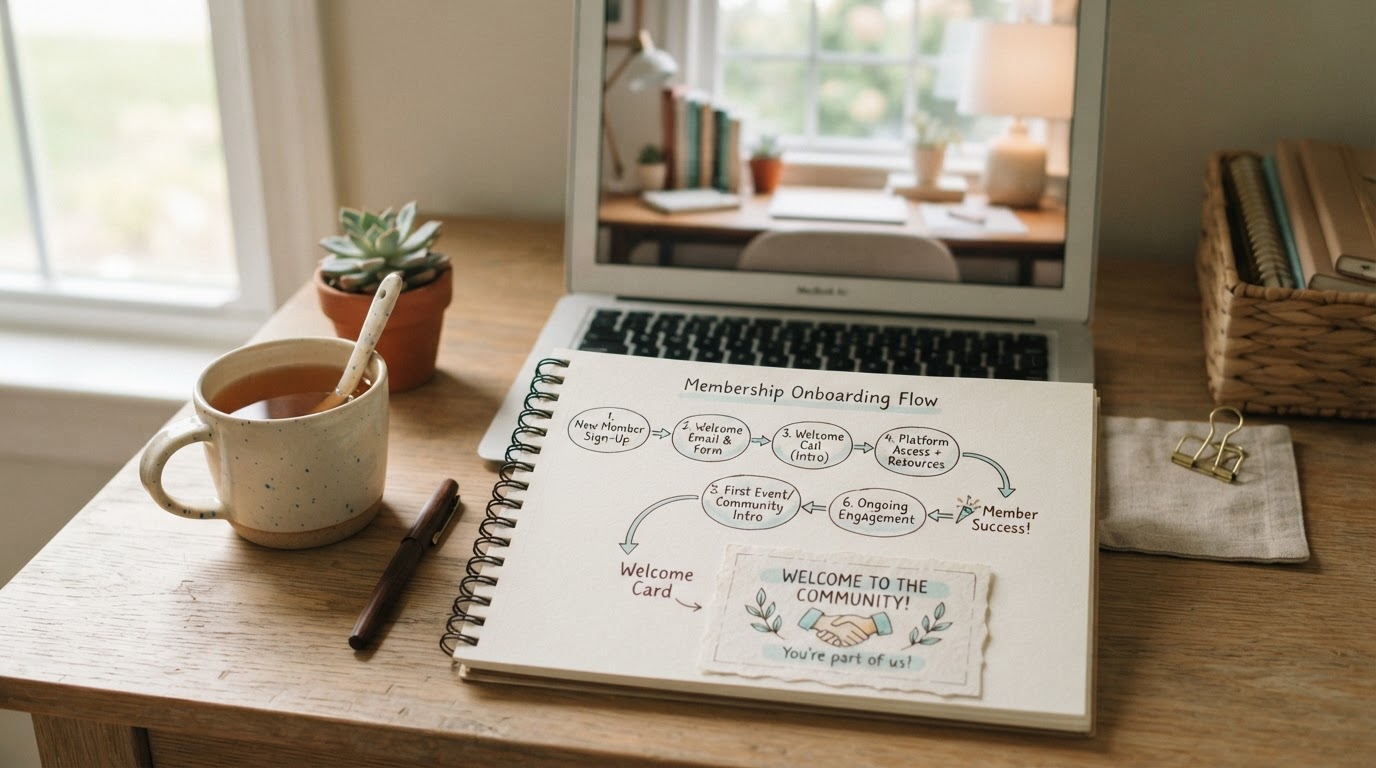
Good membership automation isn’t mysterious. It’s a tested sequence of repeatable actions:
- A customer chooses the offer.
- Payment is completed.
- The contact record is created or updated.
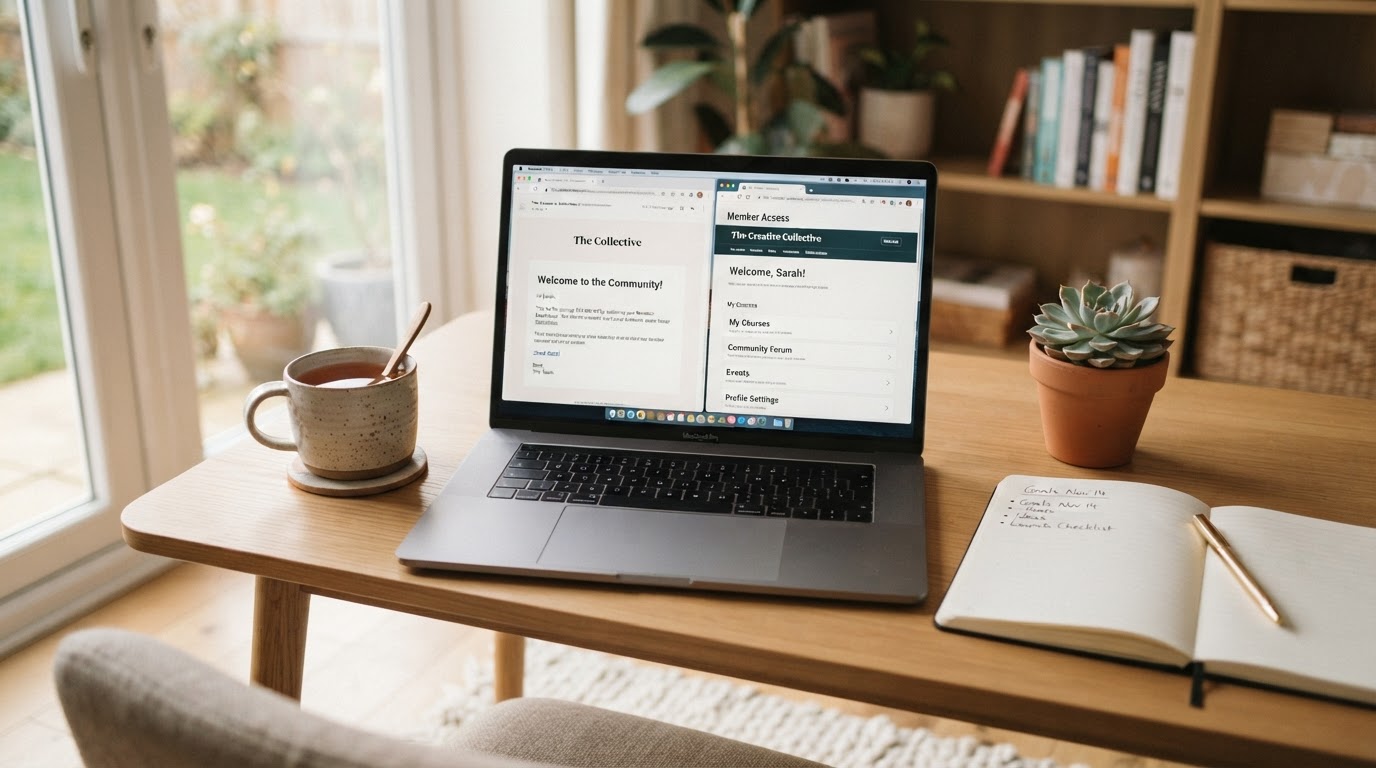
- Access is granted.
- Welcome information is sent.
- The owner can see what happened.
That removes repetitive copying and reduces the chance of a paying member waiting for access.
One connected system reduces handoffs
When checkout, email and membership delivery sit in different tools, each connection needs to be configured and monitored. If something changes, the failure may not be obvious until a customer reports it.
Wendy’s setup brought the main elements together. She could use a link as the entry point while the platform handled the predefined next steps. To see what RMM includes for memberships and onboarding, explore RMM pricing.
Automation still needs a welcome
Saving administration time doesn’t mean making the membership impersonal. The automated welcome should guide the member, while the community, teaching and support provide the human experience.
The strongest systems protect that time. They remove the repeated jobs that don’t need your individual judgement.
Build one dependable route first
Before adding multiple plans, upsells and complicated branches, make one membership journey work from checkout to login. Test it with a new email address, check mobile access and confirm what happens when payment fails or a member cancels.